Professional Embroidery Digitizing, Vector Art & Patch Services
S2S Digitizing is an embroidery digitizing, vector art, and custom patch company that converts artwork into machine-ready embroidery files, delivering designs in 6–8 hours with unlimited revisions for apparel decorators across the USA, Canada, the UK, Australia, and the UAE.
With unlimited revisions on every order and a 98% customer satisfaction rate based on direct client feedback, S2S Digitizing has delivered more than 5 million embroidery designs for caps, jackets, logos, applique, 3D puff, and patches across more than a dozen countries.
OUR SERVICES
Sharp, clean and machine friendly embroidery files
Explore Embroidery Digitizing ServicesHigh Resolution artwork ready for printing
Explore Vector Artwork ServicesQuality Patches for uniforms fashion and branding
Explore Custom Patch Design Services
High-Quality Embroidery Digitizing
Clean and Sharp Vector Artwork
Premium Custom Patch Solutions
Fast and Reliable Turnaround
Unlimited Free Design Revisions
What Is Embroidery Digitizing?
Embroidery digitizing is the process of converting a piece of artwork, a logo, image, or design into a stitch file that an embroidery machine can read and sew.
This matters because a machine cannot stitch a JPEG or PNG directly; it needs a digitizing-software file that specifies exact stitch types, sequencing, thread color changes, and needle paths, which is why the quality of the digitizing determines whether the finished embroidery looks clean and accurate or distorted and uneven.
What Services Do We Offer?
S2S offers a full range of embroidery digitizing, vector art, and patch services for apparel decorators, promotional product companies, and embroidery businesses that need fast, machine-ready embroidery files.
Every design passes through in-house quality assurance before delivery, with free revisions available until the final stitch-out on your embroidery machine matches your artwork exactly. Whether the project is a single cap logo or a full jacket-back design, the goal stays the same: an accurate, distortion-free file that stitches correctly the first time on your machine.
The six core services S2S provides, each handled in-house by digitizers who work from real machine data not automated guesses to get placement, density, and lettering right.
Cap Digitizing
Cap digitizing accounts for the curved, tightly-framed surface of a hat, adjusting stitch density and placement so logos and lettering stay sharp instead of stretching or shifting on the curve. Ideal for promotional headwear and team caps.
Learn more about cap embroideryJacket Digitizing
Jacket digitizing handles larger surface areas like backs and sleeves, balancing stitch count and underlay so heavier fabric doesn't pucker or shift under dense embroidery. Common for team, corporate, and outerwear branding.
Learn more about jacket digitizingChest Digitizing
Left chest digitizing focuses on small, precise logos placed on a shirt or polo chest, where accurate scaling and clean lettering matter most since the design sits close to the eye. Popular for corporate uniforms.
Learn more about chest digitizingVector Art
Vector art conversion turns raster images, scans, JPEGs, and low-resolution logos into clean, scalable vector files usable for print, signage, or as the base for digitizing. Delivered as an editable source file.
Learn more about vector artworkPatch Digitizing
Patch digitizing prepares designs specifically for embroidered-patch production, accounting for border finishing, backing, and the stitch density needed for a patch to hold its shape off the garment.
Learn more about patch digitizingLogo Digitizing
Logo digitizing is the general-purpose service for turning any brand or design logo into a machine-ready stitch file that works across caps, shirts, jackets, and patches alike.
Learn more about logo embroidery
3D Puff Embroidery Digitizing
3D puff embroidery digitizing creates raised, dimensional designs by adjusting stitch density, sequencing, and underlay to work with foam layers. Ideal for bold logos, caps, and structured headwear where a raised embroidery effect is needed.
Learn more about 3D puff embroidery
Applique Embroidery Digitizing
Applique embroidery digitizing creates designs by combining fabric pieces with embroidery stitches, reducing stitch density while adding texture and color contrast. It is ideal for large logos, lettering, and designs where a lightweight finish and fabric detail are preferred.
Learn more about applique embroidery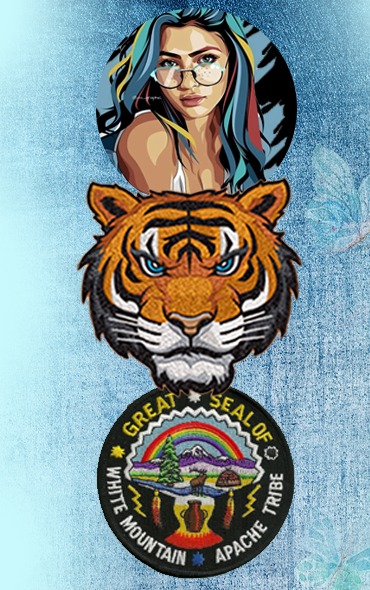

11+ years of experience
98% Satisfied Clients
Who We Are — Excellence in Every Stitch.
S2S is an embroidery digitizing company specializing in embroidery file conversion, vector artwork, and custom patch digitizing services for apparel decorators, screen printers, and promotional product businesses across the USA, Canada, UK, Australia, and UAE.
Every digitized file is quality-checked before delivery, with support for major embroidery formats including DST, PES, PXF, EMB, JEF, EXP, VP3, XXX, and CND. Our team provides free revisions to ensure each design is optimized for accurate stitch-out results.
- Serving Customers Since 2014
- 5M Designs Delivered
- 98% Satisfied Customers
- Unlimited Free Revisions
- 100% Manual Work
- 6 to 8 Hour Turnaround
How We Transform Artwork Into Embroidery Files
1
Before
The original artwork was created as a standard graphic file and was not yet ready for embroidery production. At this stage, the design had not been converted into a machine-readable stitch file, so embroidery-specific elements such as stitch types, stitch sequencing, underlay, density, and pull compensation had not yet been applied.
2
After
Our digitizers manually converted the artwork into a machine-ready embroidery file by assigning appropriate stitch types, stitch directions, underlay, density, pull compensation, and stitch sequencing. Every element was optimized to produce clean, accurate, and consistent embroidery while preserving the original design.
3
Result
The completed embroidery file produced a clean, high-quality stitch-out with sharp details, balanced stitch coverage, and consistent results on embroidery machines. The production-ready file can be reused for future orders, helping ensure reliable embroidery quality across multiple garments and products.
Quality Services in Affordable Price
Get the best of both worlds—affordable pricing and exceptional results. From digitizing and vector art to custom patches, we ensure value-packed services that don’t compromise on quality.
Vector Art
From$10
- Free Edits/Revisions
- Lifetime access
- Quality Assurance
- Clean and Sharp
- Editable source file
- Private client portal
Embroidery Digitizing
From$15
- Free Edits/Revisions
- Lifetime access
- Quality Assurance
- Precisely stitched
- Machine ready file
- Private client portal
Custom Patches
From$1.5 /Patch
- Sample before production
- Client confirmation
- Quality Assurance
- Precisely stitched
- Flexible MOQ
- Private client portal
Quality speaks louder — Explore Our Portfolio.
What is the Difference Between Manual Digitizing vs Auto-Digitizing
Manual digitizing means a trained digitizer builds the stitch file by hand, choosing density, sequencing, and underlay based on the specific design and fabric. Auto-digitizing means software generates the stitch file automatically from an image, with little to no human adjustment.
The practical difference shows up on the garment: manually digitized files typically produce cleaner stitch-outs with fewer thread breaks and less puckering, especially on detailed logos or lettering, while auto-digitized files are faster and cheaper but often need manual cleanup afterward to avoid distortion. S2S digitizes manually, in-house, for this reason — auto-digitizing software is a useful starting point for very simple shapes, but it is not a reliable substitute for a trained digitizer's judgment on stitch density, pull compensation, and placement.
Manual Digitizing
S2S Method- Stitch Quality High, optimized for each design
- Accuracy Excellent for detailed logos and lettering
- Fabric Optimization Adjusted for fabric type
- Turnaround Slightly longer
- Cost Slightly higher
- Best For Detailed logos, lettering, patches
VS
Auto-Digitizing
- Stitch Quality Variable, often requires manual editing
- Accuracy Limited on complex designs
- Fabric Optimization Generic stitch settings
- Turnaround Faster
- Cost Lower
- Best For Simple, low-detail artwork
Step by step process for High Quality Services
1
Order Placement
The process starts with order placement, where the customer defines their requirements and goals.
2
Order Processing
As soon as the customer places an order, our team begins working on it.
3
Quality Assurance
Once our design team completes the order, our Design Quality Assurance (DQA) team carefully reviews the file to ensure it meets our quality standards.
4
Order Delivery
After we verify that the final file meets our quality standards, the customer can log in to the portal and download the completed file.
What Industries We Serve
S2S provides embroidery digitizing, vector art, and patch services across a wide range of industries that need consistent, production ready embroidery files at scale.
Core industries served include: sports team uniforms, school spirit wear, corporate apparel branding, promotional products, embroidery businesses that outsource digitizing work, and screen printing shops that need vector art or digitizing support for client orders. Whether the order is a one-off design or a recurring monthly volume, the same in-house digitizing and quality assurance process applies across every industry served.
Machines & Software We Support
S2S delivers digitized files compatible with the major embroidery file formats including DST, PES, EMB, JEF, EXP, VP3, XXX, CND, and ZSK, so designs run on the machines most decorators already use, from Tajima and Melco to Brother, Bernina, and Janome. Full format-by-format and machine-by-machine compatibility details are available on individual service pages.
Digitizing Terms Explained
DST File
A DST file is one of the most common embroidery stitch file formats, readable by most commercial and home embroidery machines, containing the exact stitch and needle-path data a machine needs to sew a design.
Underlay Stitching
Underlay stitching is a foundation layer of stitches sewn beneath the visible design to stabilize the fabric and prevent it from shifting or puckering once the top stitches are added.
Pull Compensation
Pull compensation is a digitizing adjustment that slightly widens or reshapes stitch elements to counteract fabric pulling inward during stitching, so the finished design keeps its intended shape and size.
Satin Stitch
A satin stitch is a smooth, glossy stitch type made of closely spaced parallel stitches, typically used for lettering, borders, and small detailed elements that need a clean, filled look.
Applique
Applique is a technique where a separate piece of fabric is stitched onto the garment as part of the design, often used to cover large areas with fabric instead of dense stitching.
Chenille
Chenille is a raised, fuzzy embroidery style created with a looped yarn stitch, commonly used on varsity letters and patches for a bold, textured look.
What Customers Say About Our Digitizing Services

"We've been using S2S Digitizing for all our custom embroidery digitizing needs, and they never disappoint. The stitch outs are flawless with perfect thread density, and their fast turnaround time keeps our production line running without any delays. Highly recommended!"

"I sent them a highly complex, low-resolution client logo for vector artwork conversion, and the recreated file came back absolutely pristine. The vector paths were exceptionally clean, making it instantly ready for high-quality screen printing."

"Outstanding custom patch digitizing service! S2S helped us design a highly detailed series of embroidered and PVC patches for a corporate client. The digital proofs were accurate, and the final production files ran perfectly on our commercial embroidery machines."
"Finding a reliable partner for bulk vector conversion and quality logo digitizing with reasonable pricing used to be a challenge. S2S Digitizing delivers premium quality files every single time. Their customer support team is incredibly responsive to revisions too."
"Their expertise in 3D puff embroidery digitizing solved a huge production problem for our seasonal headwear line. The files came back clean, properly formatted, and required zero re-runs. They are officially our go-to digitizing service."
Your questions answered simply here


Embroidery digitizing at S2S starts from $15 per design, with the final price based on stitch count, design size, and overall complexity. Vector art also starts at $10, while custom patches start from $1.50 per patch, with the exact cost confirmed after reviewing your design or artwork.
Most embroidery digitizing at S2S is completed within 6-8 hours, depending on artwork quality and complexity. Urgent orders are prioritized on request.
S2S delivers digitized files in major embroidery formats, including DST, PES, EXP, JEF, PXF, CND, EMB, and VP3, making them compatible with most commercial and home embroidery machines. The required format depends on your machine brand and is confirmed at the time of order.
Every S2S order includes free edits and revisions. If your digitized file does not stitch out correctly, it will be adjusted and re-sent at no additional cost.
All embroidery digitizing at S2S is completed in-house, not outsourced to third-party freelancers. This helps maintain consistent quality, faster communication, and reliable file accuracy, with every design reviewed through the same quality assurance process before delivery.
Embroidery digitizing converts artwork into a stitch file for embroidery machines, while vector art converts raster images into scalable vector files for printing, signage, and branding. Digitizing is for embroidery production, whereas vector art is for high-quality, resizable graphics.
Most logos, text, monograms, emblems, and custom artwork can be digitized for embroidery. Simple and complex designs are both suitable, although very small text or intricate details may require slight adjustments to produce a clean, accurate stitch-out. Design complexity primarily affects stitch count, production time, and pricing.
Creating an order is simple. Sign up with your details, upload your design, select the required service, and provide any instructions. Once your order is submitted, our team will complete the digitizing process and deliver the finished files to your dashboard for download.
How Much Does Custom Embroidery Cost? 2025 Prices
Discover custom embroidery costs in 2025. Learn pricing factors, average rates, and tips to save on embroidery digitizing and apparel.
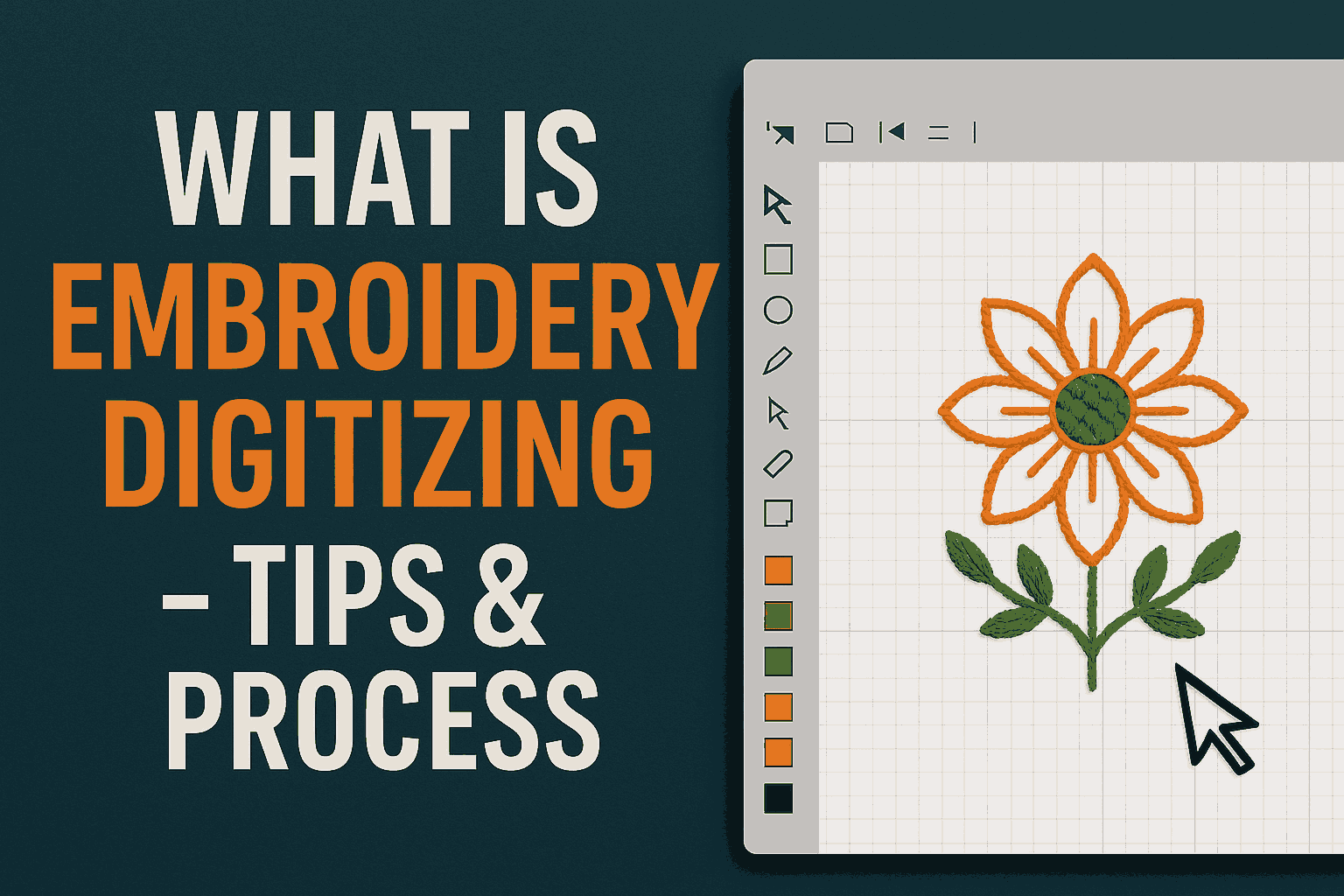
What is Embroidery Digitizing - Tips & Process
A complete guide to embroidery digitizing. Explore process, software, stitch types, and benefits to master custom embroidery with ease.
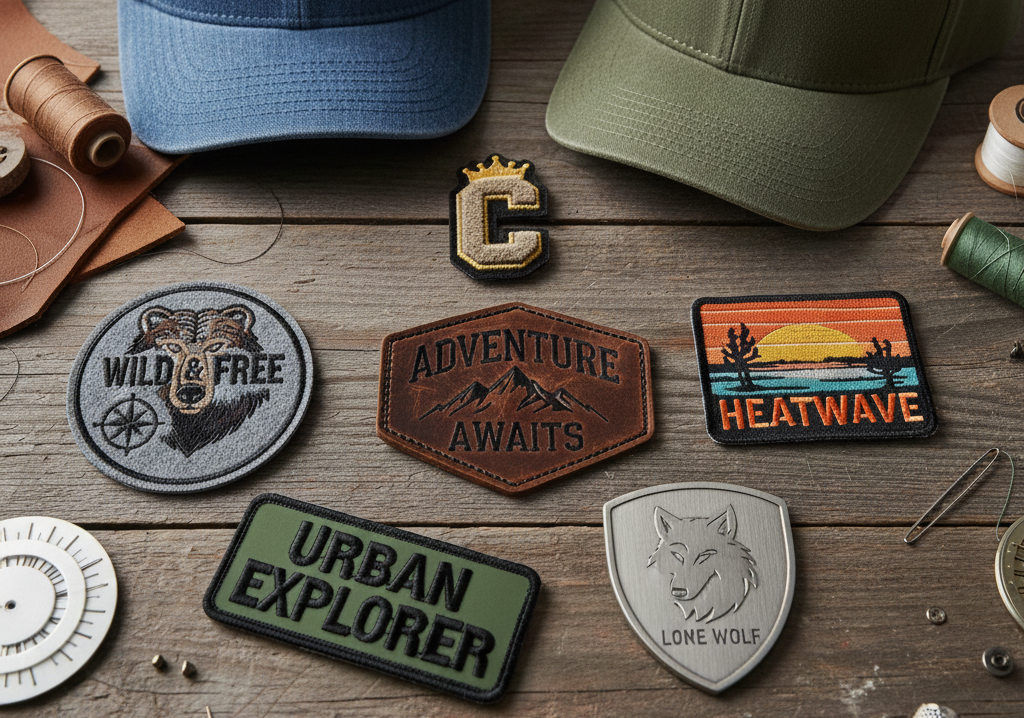
Custom Hat Patches Guide: Styles, Materials & Trends
Discover the ultimate guide to custom hat patches, exploring styles, materials, and trends to create standout designs for any hat.
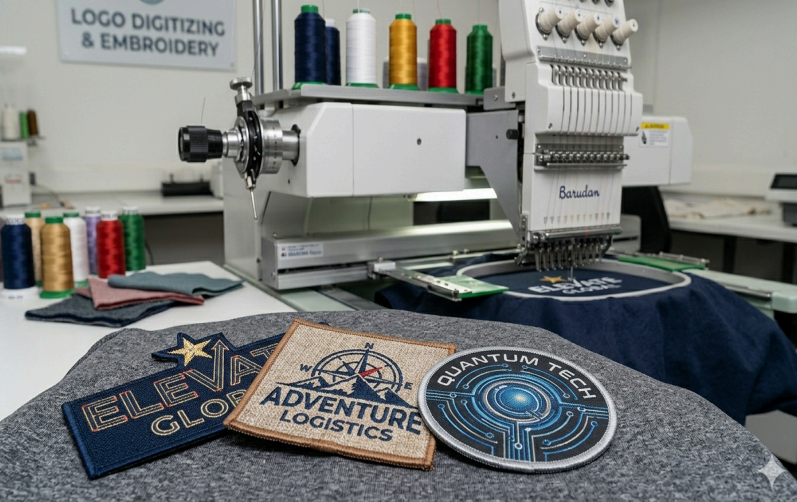
High-Detail Woven Patch Design & Production Techniques
Discover High-Detail Woven Patch Design & Production Techniques
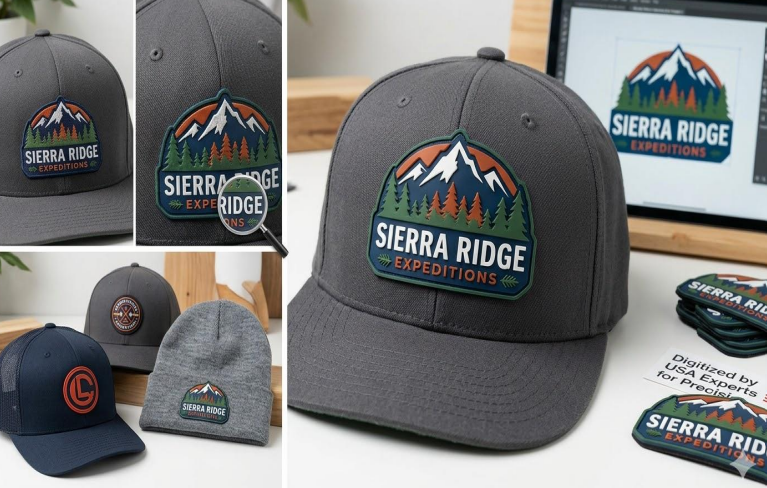
5 Key Benefits of Choosing PVC Hat Patches for Custom Headwear
Discover the advantages of PVC hat patches for custom headwear. Learn about their durability, design flexibility, and cost-effectiveness